Visit the American Museum of Natural History
in New York
- Timed reservation required
- 4 floors of permanent exhibitions
- Facing Central Park, 81st Street
- View current availability
- Ticket delivered immediately after validation
- Mobile ticket accepted
- Non-refundable ticket under the listed conditions
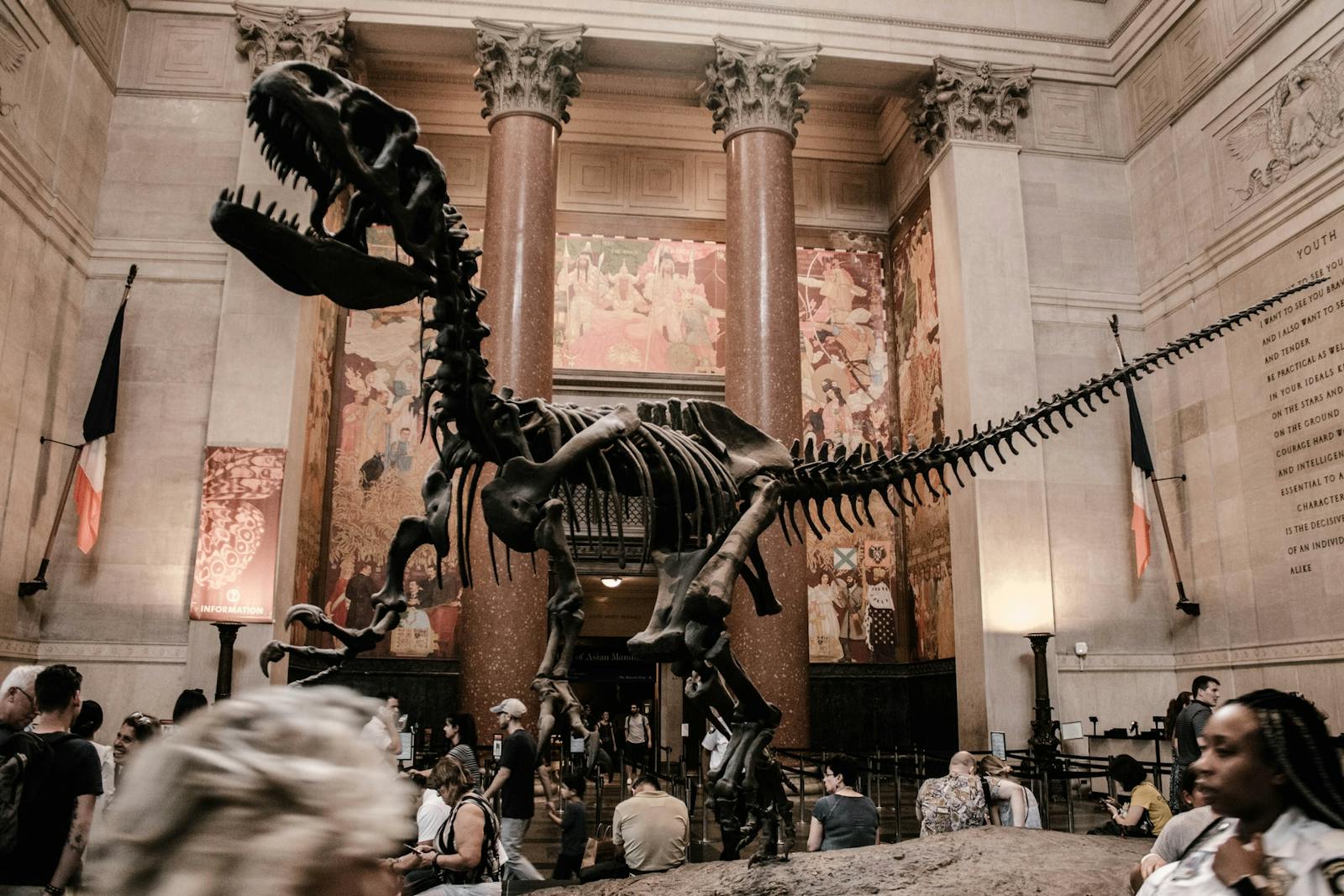
Dive into 32 million specimens in the heart of Manhattan. The confrontation between the Apatosaurus and the suspended blue whale recontextualizes our place on Earth. A total immersion in geological time, accessible to families with children from age 5.
Tickets for the American Museum of Natural History
Pricing and booking conditions

American Museum of Natural History (AMNH): Entry Ticket
From 33,14 €.
Visit one of the world’s greatest and largest natural history museums.

American Museum of Natural History (AMNH): Plus One Ticket
From 38,51 €.
Visit one of the largest natural history museums – with 32 million specimens!.

American Museum of Natural History (AMNH): Entry Ticket
From 33,14 €.
Visit one of the world’s greatest and largest natural history museums.
What visitors say
Thousands of visitors have already booked their visit: reviews and testimonials
★ 4.4/5 · 12 reviews collected directly from visitors and moderated by Visit Tickets
"The Star of India left us speechless. The General Ticket covers the 45 halls well, but you need to allow plenty of time. We visited the Davis Family Butterfly Vivarium, which was a magical moment for our children."
"Seeing the suspended blue whale is breathtaking. The timed entry is essential to avoid lines. We wore comfortable shoes as it’s over 10,000 steps! The experience is unforgettable."
"The Apex Stegosaurus Fossil is impressive. I regretted that the planetarium was an extra cost. It’s best to use the secondary entrance to avoid the crowd. Despite this, the place remains an architectural and scientific marvel."
"As a solo visitor, I loved Invisible Worlds. The microscopic projections are hypnotic. The museum is very accessible by wheelchair. I highly recommend aiming for the paleontology sections right at opening."
"The price of €33 is high if you don’t see everything. The queue was 45 minutes long despite our time slot. However, the Apatosaurus/Allosaurus duel remains a stunning welcome. Plan for thick soles!"
"As seniors, we appreciated the easy access. The ocean hall with its giant whale is spectacular. We left our bags at the coat check service, which is convenient since large volumes are not allowed inside."
"For families, it’s paradise. The kids were obsessed with the Butterfly Conservatory. The staff is attentive. Avoid flash in sensitive areas like the insects, as indicated everywhere."
"Coming from London, I’m blown away by the scale. Impact: The End of the Age of Dinosaurs is very well done. It’s a bit physically tiring, but you leave enriched. Remember to book your time slot well in advance."
"With my friends, we focused on paleontology. The complete stegosaurus skeleton dominates the space. The museum is huge, so there’s no point trying to do it all in 2 hours. A full day is ideal."
"The exhibition Black in Natural History Museums touched me deeply. You can feel the work behind each specimen. The historic building facing Central Park is magnificent. Take the entrance on Central Park West if possible."
"Lots of people on Sunday, even with a reservation. The Hayden Planetarium wasn’t included, which is a shame. But the collection volume of 32 million items more than justifies the visit. Superb architecture too."
"An absolute gem. Encounters in the Milky Way offers a unique cosmic view. We avoided the peaks by coming early. The value for money is good given the immensity of the site. Definitely worth doing again."
Practical info
Everything you need to plan your visit
Address
NY 10024 New York, United States
New York
Upper West Side · Metro: 86 St (A, B, C, D) or Central Park West (1, 2, 3), 5 min walk.
Opening Hours
Open 7 days a week except Thanksgiving. Hours vary by season; please check the official website before visiting.
Fares
American Museum of Natural History (AMNH): Plus One Ticket : From 38,51 €
American Museum of Natural History (AMNH): All Exhibits : From 42,99 €
American Museum of Natural History (AMNH): Entry Ticket : From 33,14 €
Show more ▾
Free child admission based on age (check variants).
Visit Duration
Photos
Audience
Accessibility
PMR
Full accessibility for people with reduced mobility, with elevators and wheelchairs available at the entrance.
Family
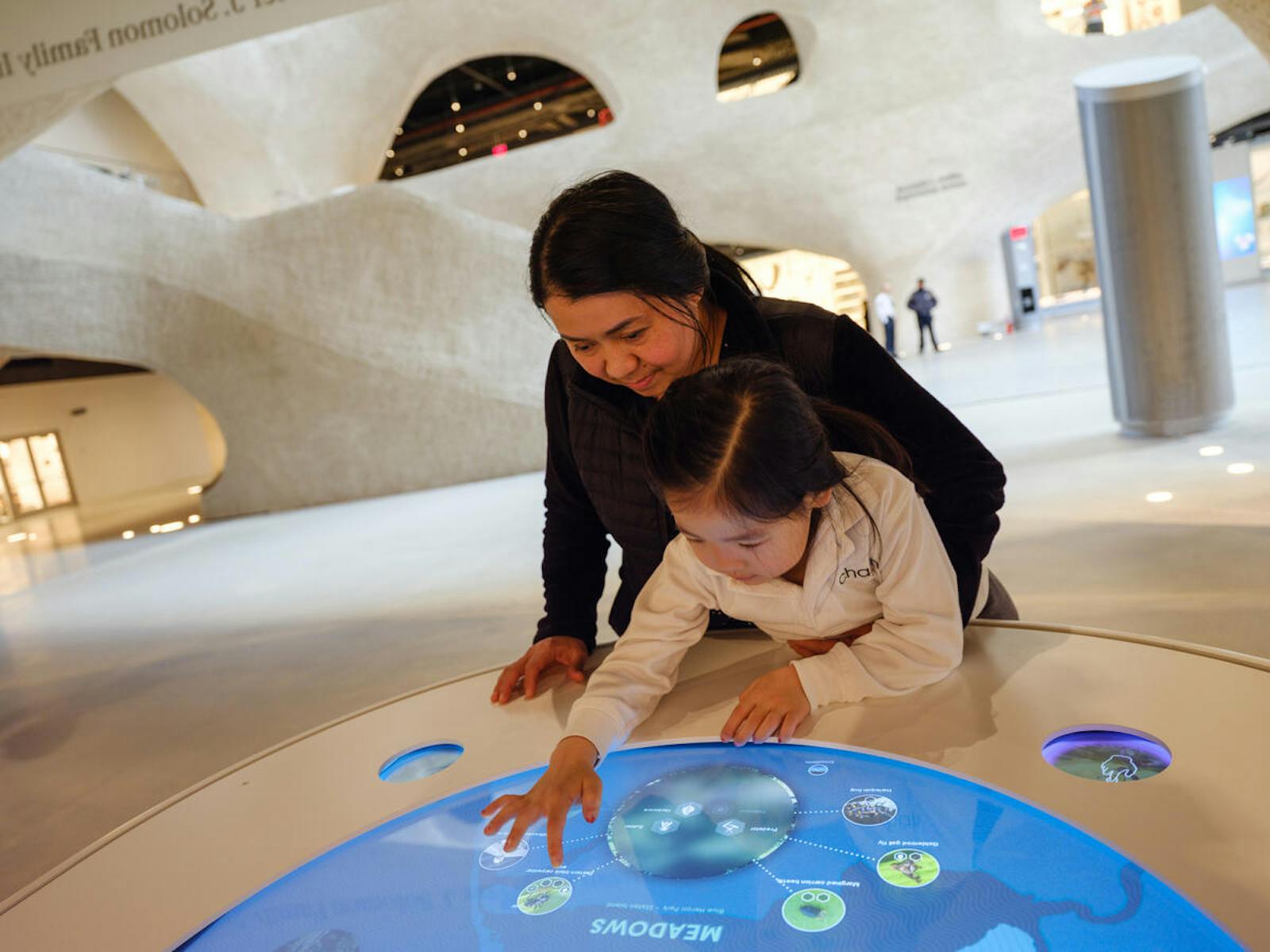
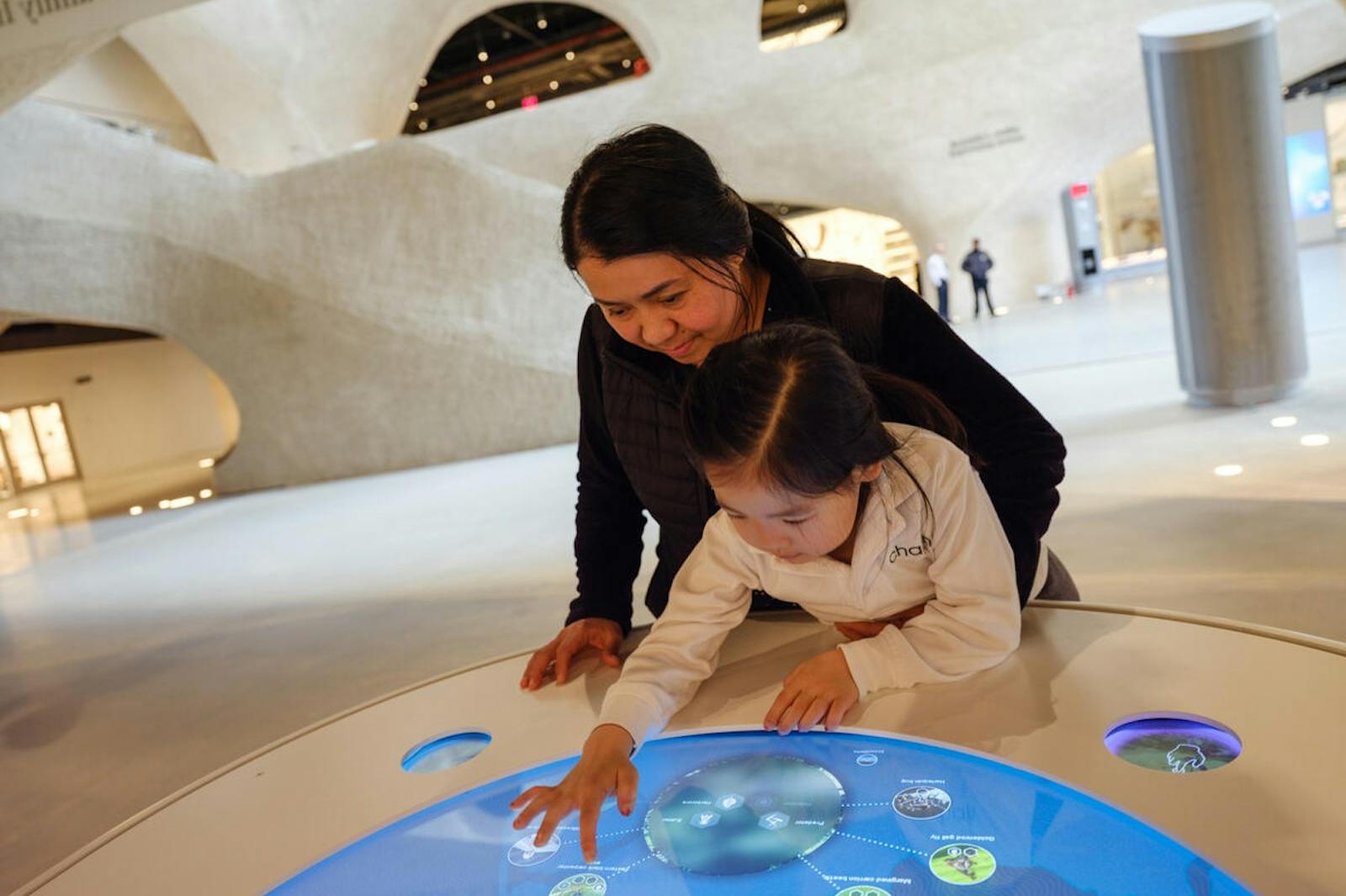
Ideal family experience suitable for ages 5 and up, featuring animations and interactive exhibits.
Audio guide
French, English, Spanish
Weather in New York
Current conditions and forecast to plan your visit
Discover American Museum of Natural History
A monumental scientific heritage since 1877
Among the world's richest collections, accessible to the general public.
32M
Specimens and objects
45
Permanent halls
100+
Expeditions/year
1877
Museum opening
The American Museum of Natural History houses 32 million specimens, including 3 million in vertebrate paleontology. This major New York site combines active research with 100 annual expeditions and public exhibitions. Online timed booking is essential to access the 45 exhibition halls spread across multiple levels.
History and architecture of the museum
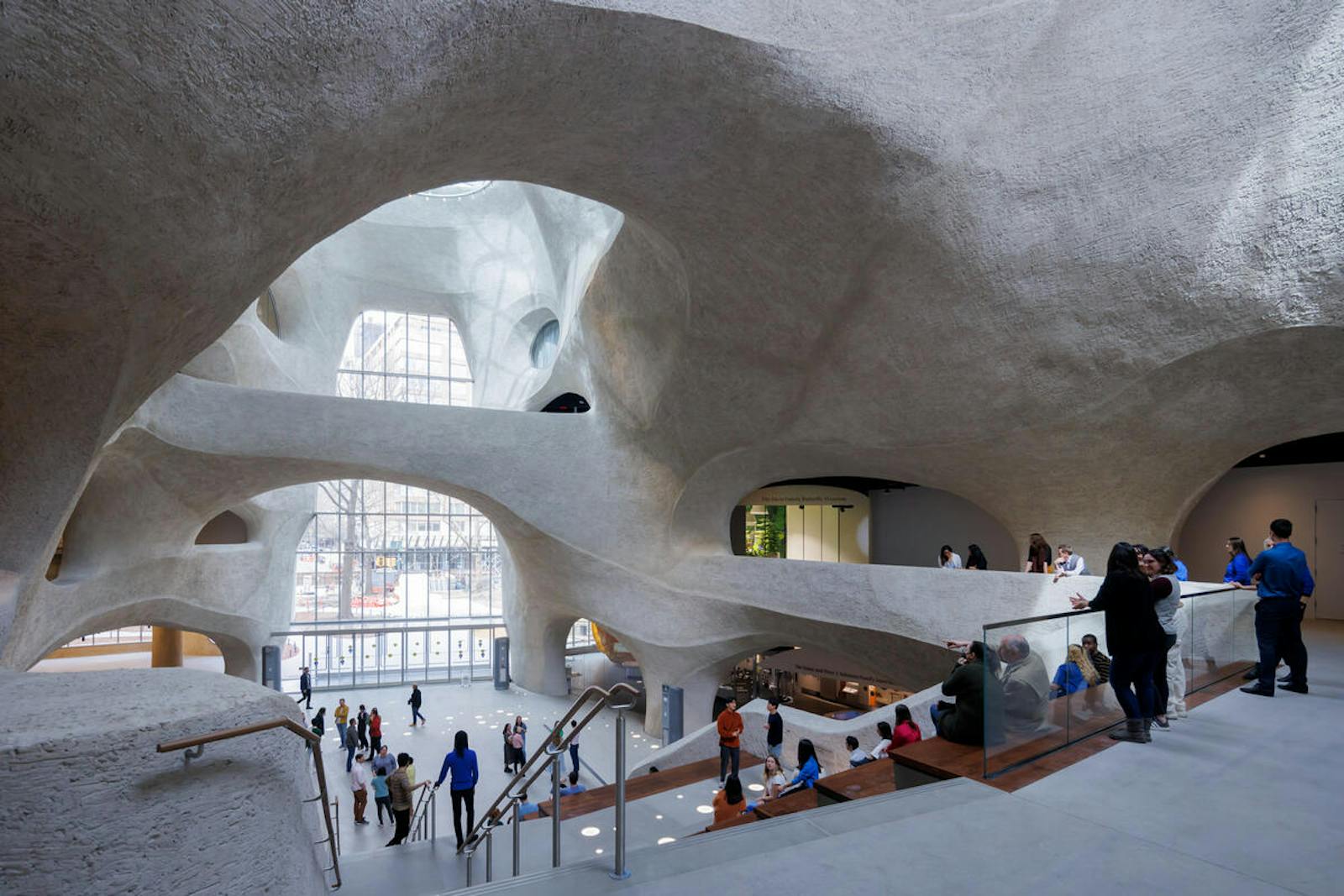
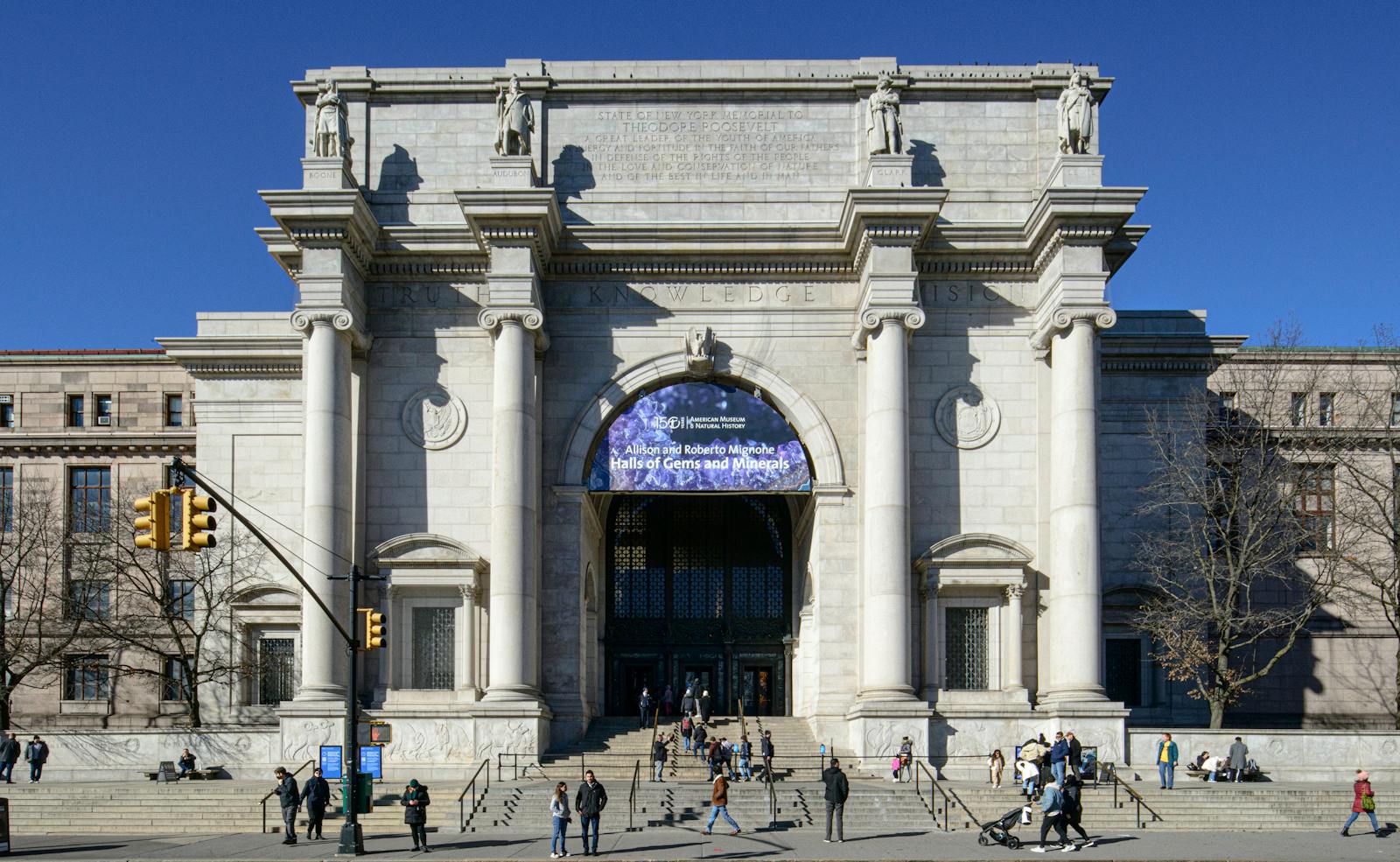
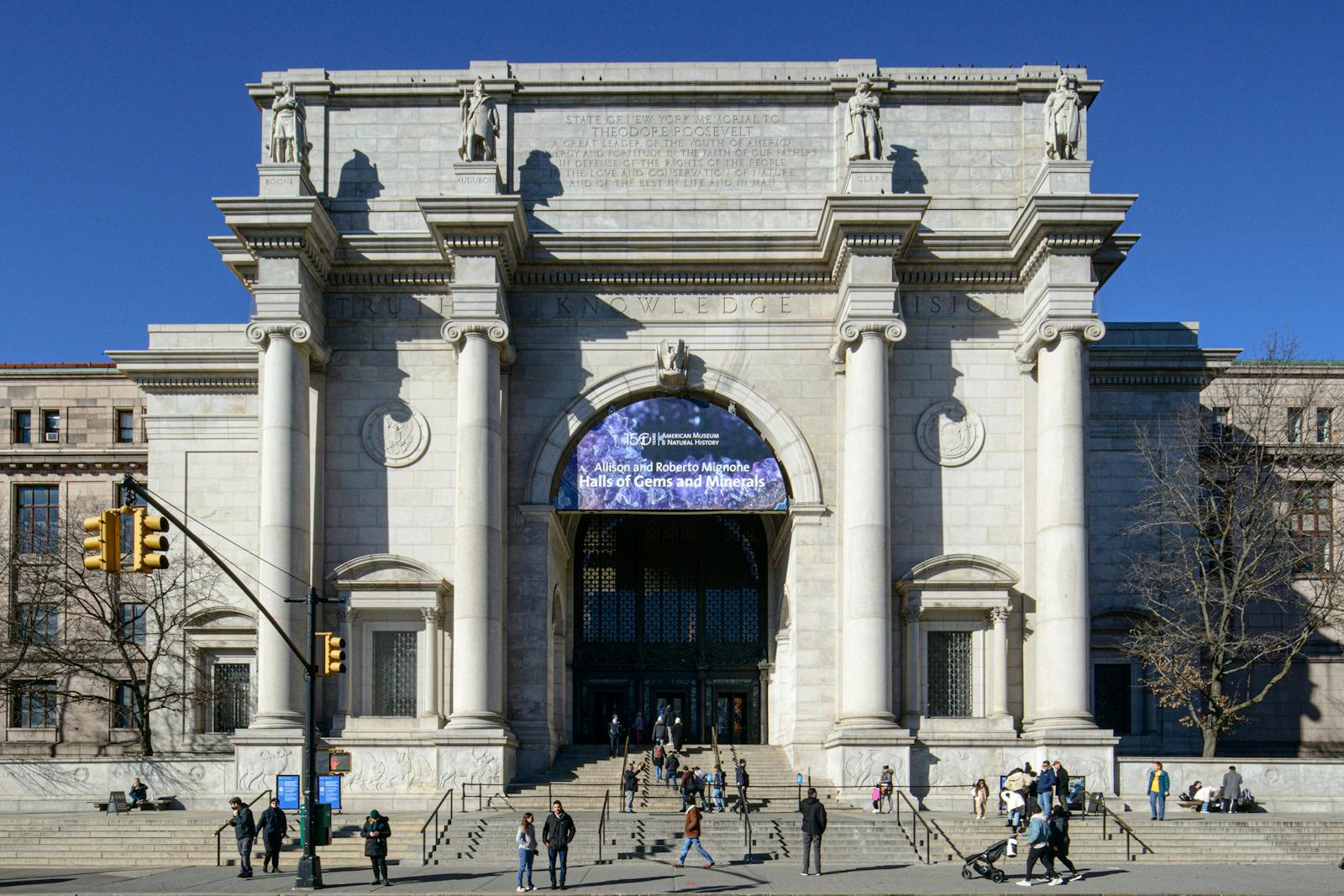
Founded in 1869, the museum opened its doors to the public in December 1877. The original architects, Calvert Vaux and Jacob Wrey Mould, designed the first part of the building in a distinctive neo-Gothic style. The monumental entrance in the shape of a Roman triumphal arch, completed in 1936, is the work of John Russell Pope and today dominates the main façade.
The south wing, built by Josiah Cleaveland Cady, features a distinct neo-Romanesque influence with its brown stone. This architectural diversity reflects the continuous expansion of the collections over the decades. The current building is the result of centuries of major scientific and structural improvements, now housing more than 32 million specimens.
Located on the Upper West Side, facing Central Park, the museum benefits from a strategic location. Opened in December 1877, it employs more than 1,200 people and funds about a hundred scientific expeditions each year. This institutional dynamism ensures the freshness and relevance of the exhibitions presented to the public.
What to see at the NYC Museum of Natural History
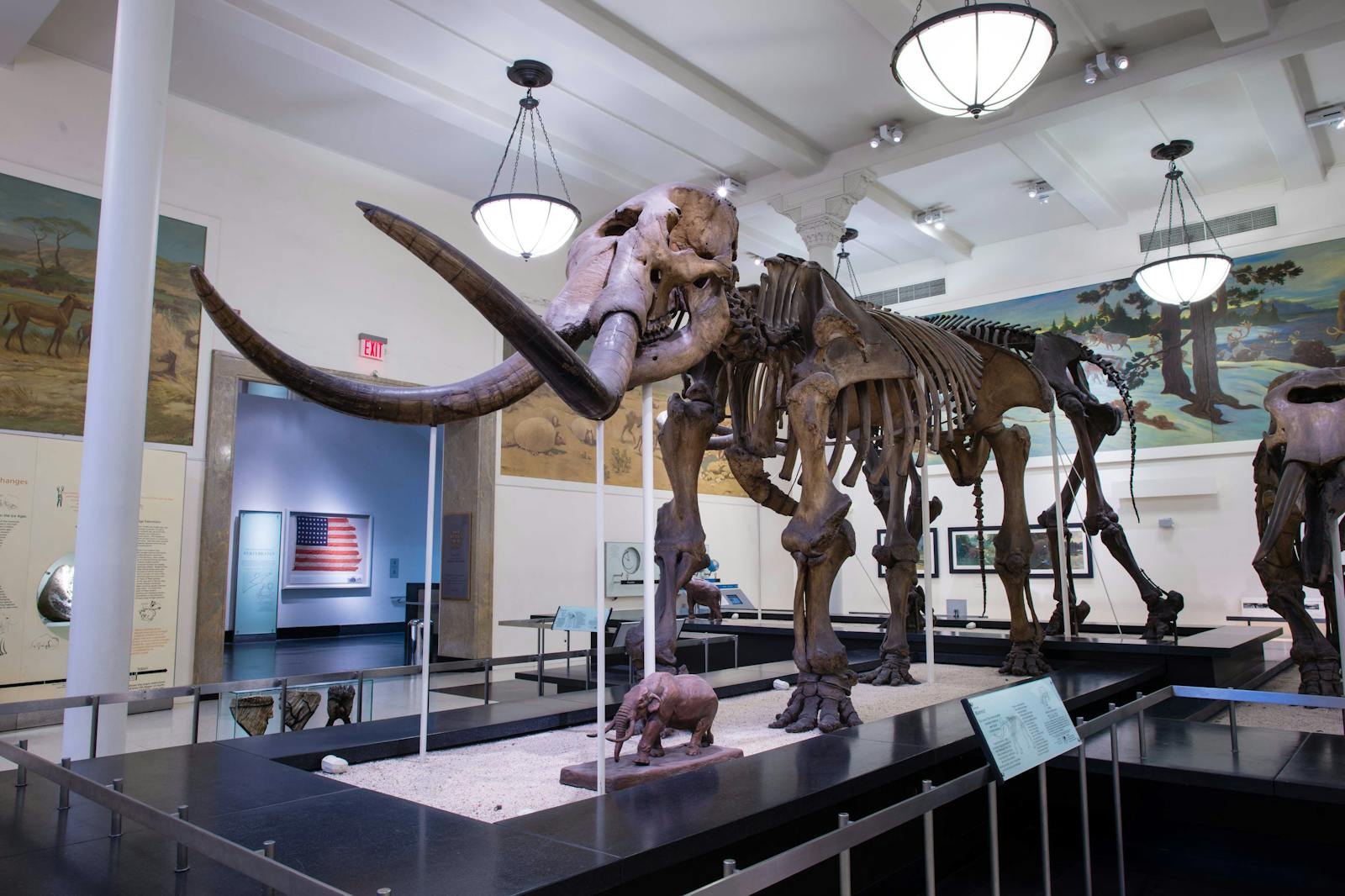
The Dinosaur Hall (Hall of Saurischian Dinosaurs) offers an immersive experience with life-sized skeletons. The T-Rex and sauropods are presented in their reconstructed prehistoric habitat. It is the emotional highlight of the visit, ideal for families with children aged 5 and up, among the 3 million paleontological specimens.
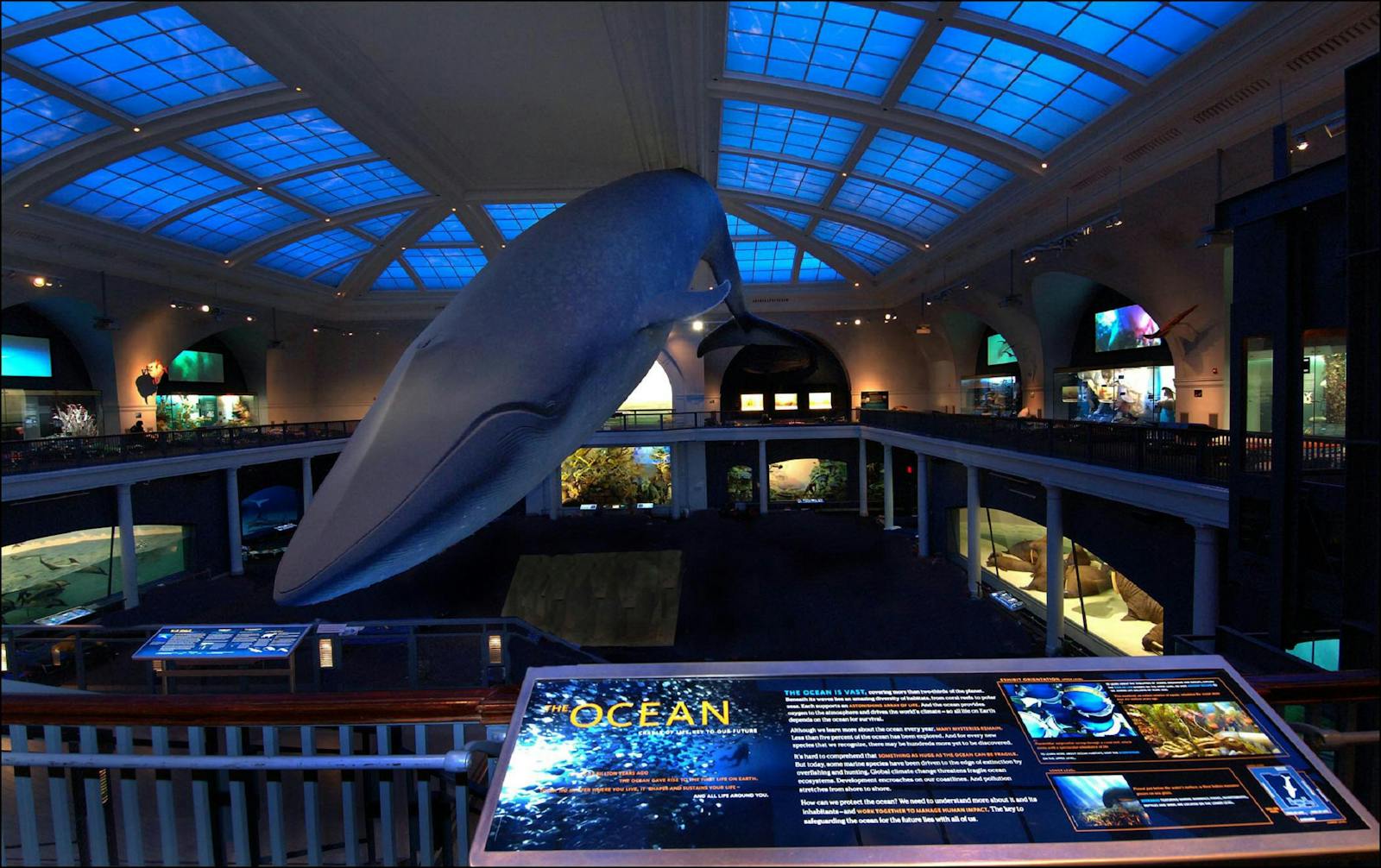
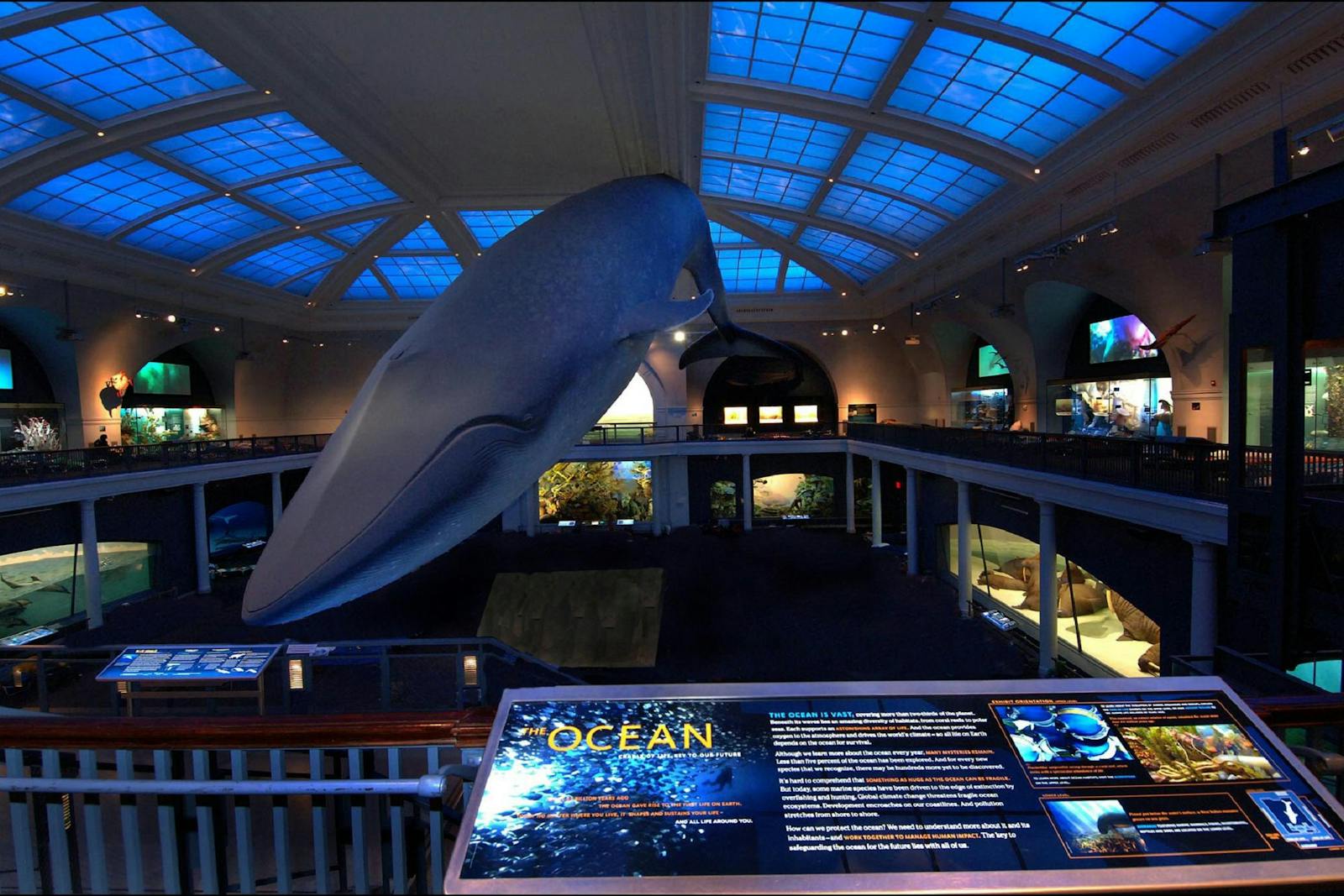
In the ocean hall, a life-sized reconstruction of a blue whale is suspended. This masterpiece helps understand the true scale of this colossal animal. Right next to it, an authentic Haida war canoe measuring 20 meters long testifies to ancient human cultures. An Apatosaurus skeleton welcomes visitors in the Romanesque basilica.
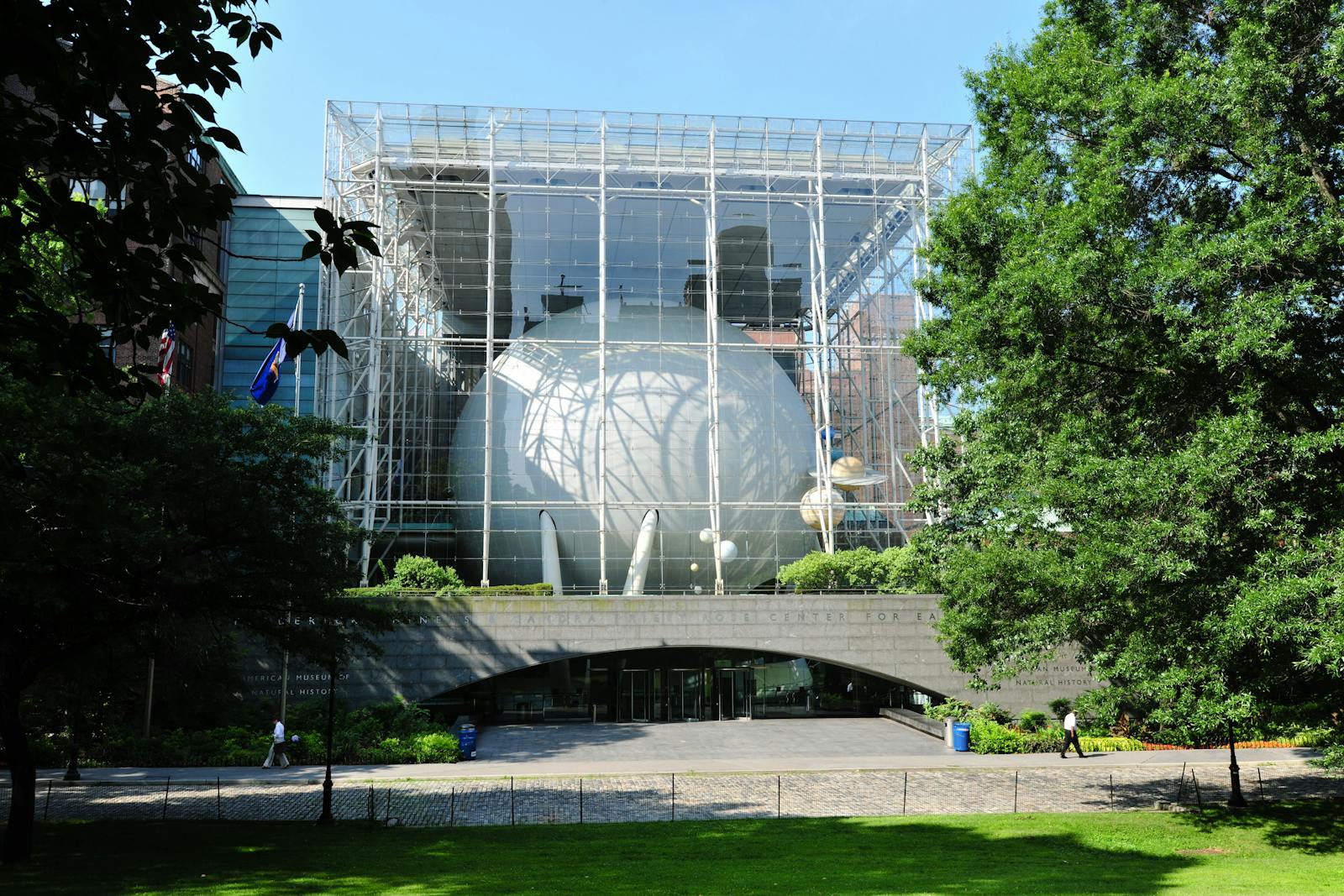
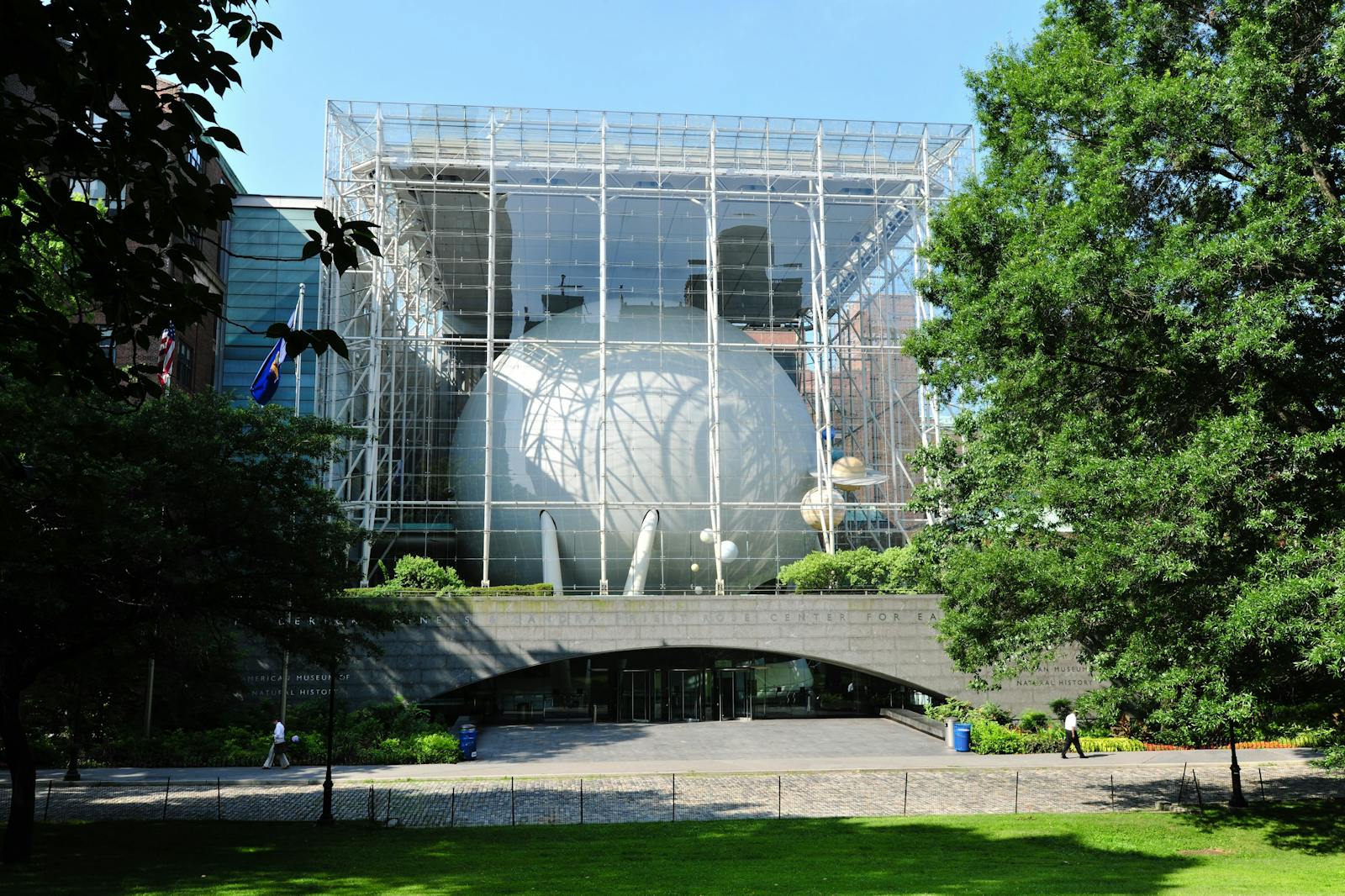
The Rose Center for Earth and Space houses the Hayden Planetarium, which requires a paid add-on. The Morgan Memorial Hall displays the Star of India, the largest blue sapphire in the world. These mineral and astronomical treasures complement the museum's rich scientific offerings, including some of the world's richest paleontology and insect collections.
Logistics and visit itinerary
Plan for a minimum of 3 to 4 hours to cover the key floors without rushing. With more than 10,000 steps to walk across 4 main floors, comfortable shoes are imperative. Large bags are prohibited at the entrance according to security guidelines; prefer a compact backpack for your visit to facilitate movement through the halls.
The general admission ticket grants access to the permanent halls but excludes the Hayden Planetarium and immersive exhibitions like 'Invisible Worlds'. These add-ons must be booked separately. Residents of New York State benefit from a reduced rate visible on the official website, while other visitors pay a standard price. Remember to check rates for children and students.
To avoid crowds, start with the upper floors (geography/planetarium) before heading down to the dinosaurs. Use the official map to target 3 major halls rather than trying to see everything. This approach allows for a balanced and less physically tiring visit. Don't forget to check the opening hours, which vary by day.

What awaits you
Total immersion in the scale of geological time
Tips for visiting the American Museum of Natural History
Insider tips
Managing your timed reservation
Online booking is strictly mandatory for all visitors to guarantee your access. Choose a morning slot between 9am and 11am to benefit from the best natural light and avoid peak times associated with school groups.
General ticket vs supplements
Your general admission ticket covers the 45 permanent halls, but does not include access to the Hayden Planetarium or immersive exhibitions like 'Invisible Worlds'. Be sure to check for separately paid options at purchase to avoid unexpected additional fees.
Expect physical effort
Plan for at least 10,000 steps for a complete visit, as the museum spans multiple floors and vast halls. Wear comfortable shoes and schedule seated breaks, particularly in the internal cafés or strategic rest areas.
Large bag storage
Large backpacks and suitcases are prohibited at entry for security and flow reasons. Use the storage service available at the entrance or travel light to make moving between the different levels of the museum easier.
Flash-free photography
Respect sensitive zones such as insects or holograms by turning off the flash on your camera. This preserves fragile specimens and avoids disturbing other visitors deeply engaged in observing the collections.
Targeted itinerary
With 45 halls, it is impossible to see everything in less than 2 hours. Focus on priority sections like paleontology or oceanography, and use the interactive map to optimize your route without wasting time in secondary corridors.
Strategic lunch break
The internal restaurant can be crowded during peak hours; it is often more pleasant to have lunch in the restaurants of the Upper West Side neighborhood. This allows you to enjoy a digestive break before resuming the visit of the upper floors with more energy.
Use digital resources
Download the official app or print the map before your visit to access real-time information on temporary closures. The available audio guides in multiple languages significantly enhance the understanding of complex dioramas.
Ready to book?
With these tips in mind, make the most of your visit to the American Museum of Natural History.
Book my ticketsDid you know?
Little-known anecdotes
The prehistoric duel
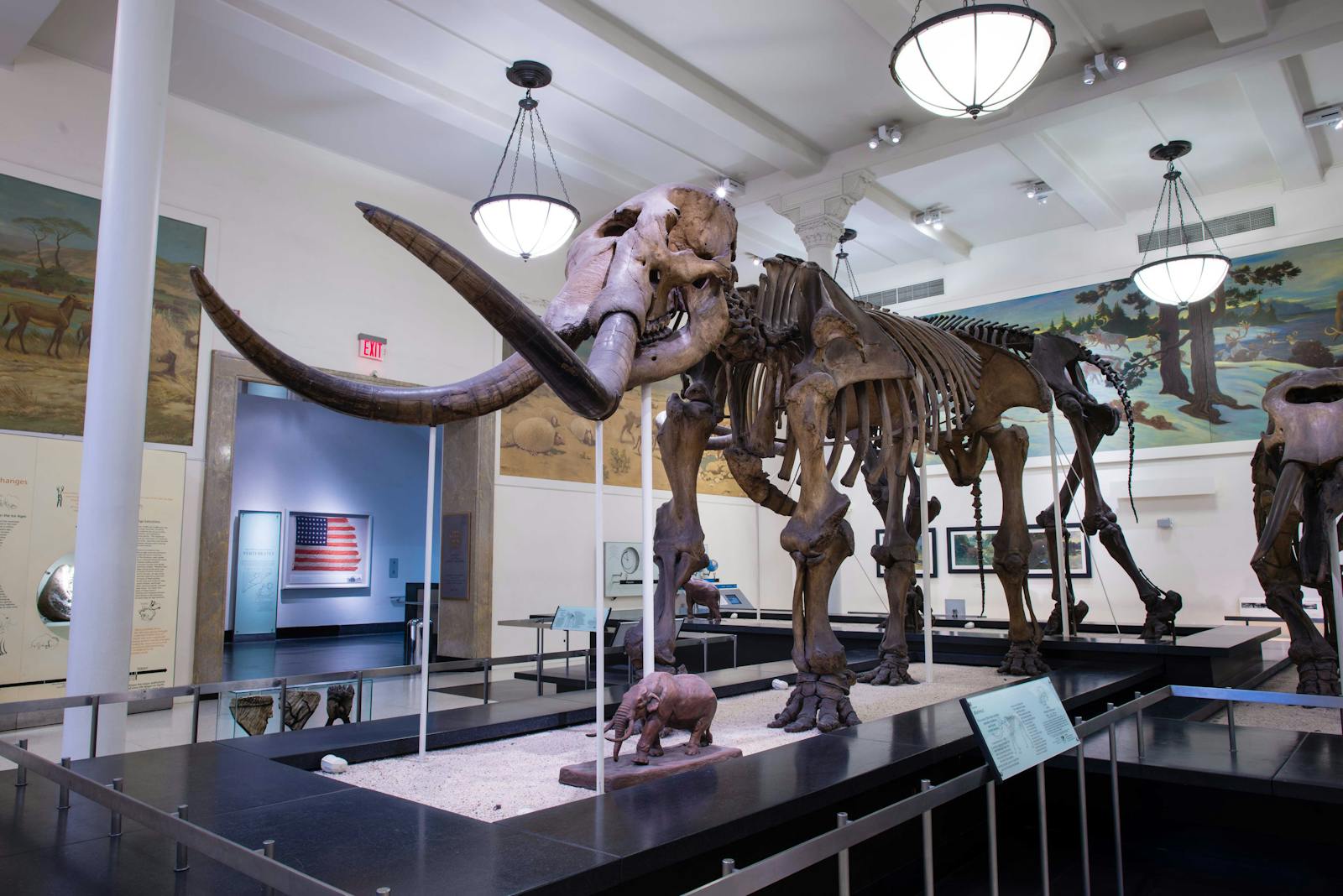
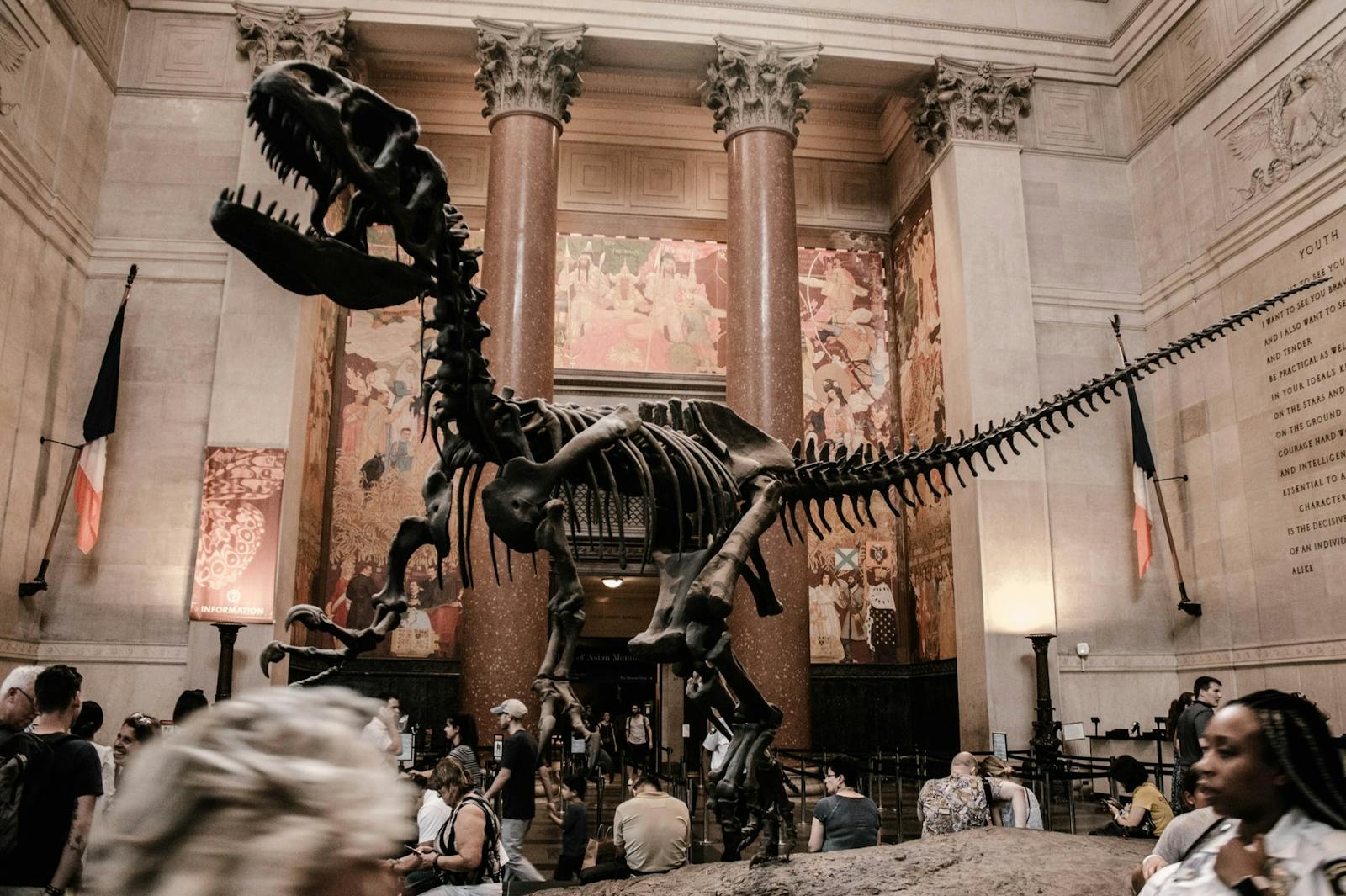
Right at the main entrance, you are greeted by an Apatosaurus skeleton defending its young against an Allosaurus. This dramatic scene was set up in the arch completed in 1936, turning the welcome into a true paleontological spectacle.
The suspended whale
A life-size reconstruction of a blue whale is suspended in the ocean hall. This monumental installation allows you to visualize the immensity of this cetacean, offering a dizzying perspective on the real size of current marine animals.
The record sapphire
The Star of India, displayed in the Morgan Memorial Hall, is the largest blue sapphire in the world. This rare gemstone attracts the gaze of visitors fascinated by mineralogy, adding a touch of precious luxury to the scientific collections.
Collection volume
The museum houses 32 million specimens and objects, including 3 million dedicated to vertebrate paleontology. This mass of data makes the institution essential for international scientific research and outreach.
Haida canoe
An authentic Haida war canoe 20 meters long is painted and sculpted in the collections. This monumental cultural object testifies to ancestral craftsmanship and the importance of indigenous maritime routes in North America.
Active research
The institution funds around a hundred scientific expeditions each year thanks to its 47 curators. The museum is not just a place of contemplation, but an active research center contributing to the discovery of new species.
Incorporating the American Museum of Natural History into your New York trip
Three itineraries based on available time
Paleontology essentials
- 10:00: Enter through the triumphal arch, greeted by an Apatosaurus defending its young against an Allosaurus.
- 10:30: Dinosaur Hall (Hall of Saurischian Dinosaurs) to see the T-Rex and iconic sauropods.
- 11:30: Marine Mammals Hall to admire the giant blue whale suspended in the ocean space.
- 12:30: Quick lunch in the Upper West Side neighborhood before heading back to the hotel or continuing to Central Park.
Complete science & space immersion
- 09:30: Opening of the Rose Center and Hayden Planetarium (if add-on purchased) to start with space.
- 11:00: Descend to the biodiversity, primates, and insects halls to discover global biological richness.
- 13:00: Lunch break near Central Park West (81st St area), resume at 14:00 for minerals.
- 15:30: Visit the Morgan Memorial Hall for the Star of India, then human cultures and anthropology.
New York Nature & Culture
- Day 1 morning: Full AMNH tour (4h), afternoon walk in Central Park from the museum entrance.
- Day 2 morning: Guggenheim Museum (nearby) or High Line, afternoon shopping on Broadway to vary cultural experiences.
- Evening: Show or dinner in the Lincoln Square neighborhood to conclude this unique scientific and urban immersion.
New York CityPASS®: Choose 5 of the city's top attractions

Limited-time offer: free Big Bus tour included with 4, 5, 6, 7, or 10 attraction passes.
From 133,45 €
See also
More must-see experiences in New York
Interactive map
Find the attraction and nearby places to visit
Near American Museum of Natural History
Make time to explore the surrounding area
Central Park
0 min walk
Manhattan's iconic park extends just behind the museum's main entrance.
The Guggenheim Museum
15 min walk
Frank Lloyd Wright's architectural icon, a must-see for modern art, is located just a few minutes' walk from the museum.
Café Central Park West
2 min walk
Quick service and snacks, ideal for a lunch break before resuming your visit.
The High Line
10 min walk
Elevated urban promenade offering a breathtaking view of the neighborhood and its rooftops, perfect for a post-meal stroll.
Lincoln Square Shopping
5 min walk
Bustling shopping district to find unique souvenirs or a café on the terrace, ideally located near public transport.
AMC Lincoln Square
3 min walk
Historic cinema in the neighborhood, perfect for extending your evening after the visit. Enjoy its unique cultural programming.
How to get to the American Museum of Natural History
Estimated travel times from the main points in the city
Metro : 81 St-Museum of Natural History (2 min walk) Bus : 81st Street & Central Park West (2 min walk)
- From Grand Central Station 3,2 km → 14 min
- From New York Penn Station 3,8 km → 15 min
- From John F. Kennedy International Airport 22,3 km → 60 min
- From 81 St-Museum of Natural History 0,2 km → 6 min
- From 66 St-Lincoln Center 1,1 km → 9 min
- From Grand Central Station 3,2 km → 21 min
- From New York Penn Station 3,8 km → 23 min
- From John F. Kennedy International Airport 22,3 km → 97 min
- From 81 St-Museum of Natural History 0,2 km → 9 min
- From 66 St-Lincoln Center 1,1 km → 12 min
- From Grand Central Station 3,2 km → 14 min
- From New York Penn Station 3,8 km → 16 min
- From John F. Kennedy International Airport 22,3 km → 77 min
- From 81 St-Museum of Natural History 0,2 km → 4 min
- From 66 St-Lincoln Center 1,1 km → 7 min
- From Grand Central Station 3,2 km → 17 min
- From New York Penn Station 3,8 km → 19 min
- From John F. Kennedy International Airport 22,3 km → 105 min
- From 81 St-Museum of Natural History 0,2 km → 3 min
- From 66 St-Lincoln Center 1,1 km → 7 min
- From 81 St-Museum of Natural History 0,2 km → 2 min
- From 66 St-Lincoln Center 1,1 km → 14 min
Accommodation
Find a hotel near American Museum of Natural History
Frequently asked questions
Everything you need to know before your visit
Reservation
Visit
Practical Info
Accessibility
American Museum of Natural History on video
A preview of this exceptional place before your visit
American Museum of Natural History in pictures
See what to expect during your visit

the American Museum of Natural History vs other natural history museums
Quick comparison with other major sites
| American Museum of Natural History | Field Museum (Chicago) | Natural History Museum (London) | |
|---|---|---|---|
| Year founded | 1869 | 1893 | 1881 |
| Adult price | 33,14€ | ~25€ | Free (donation) |
| Visit duration | 3-4 hours | 2-3 hours | 3-4 hours |
| Highlight | Paleontology and blue whale | T-Rex Sue skeleton | Victorian architecture |